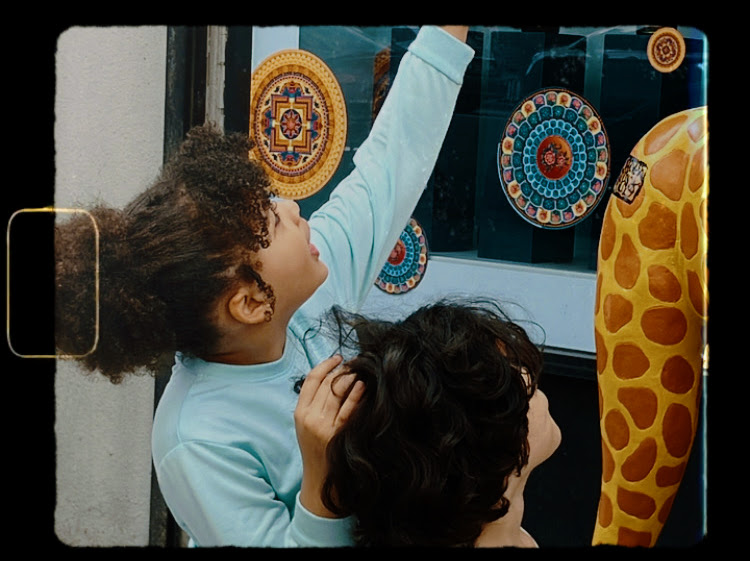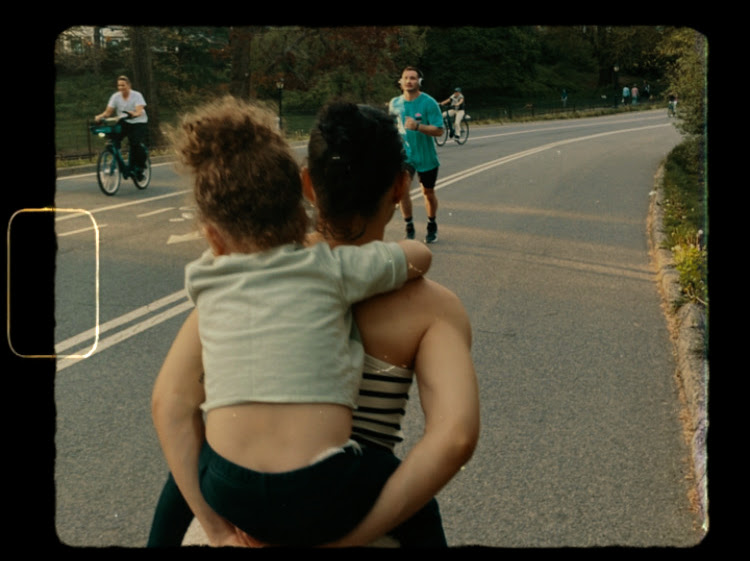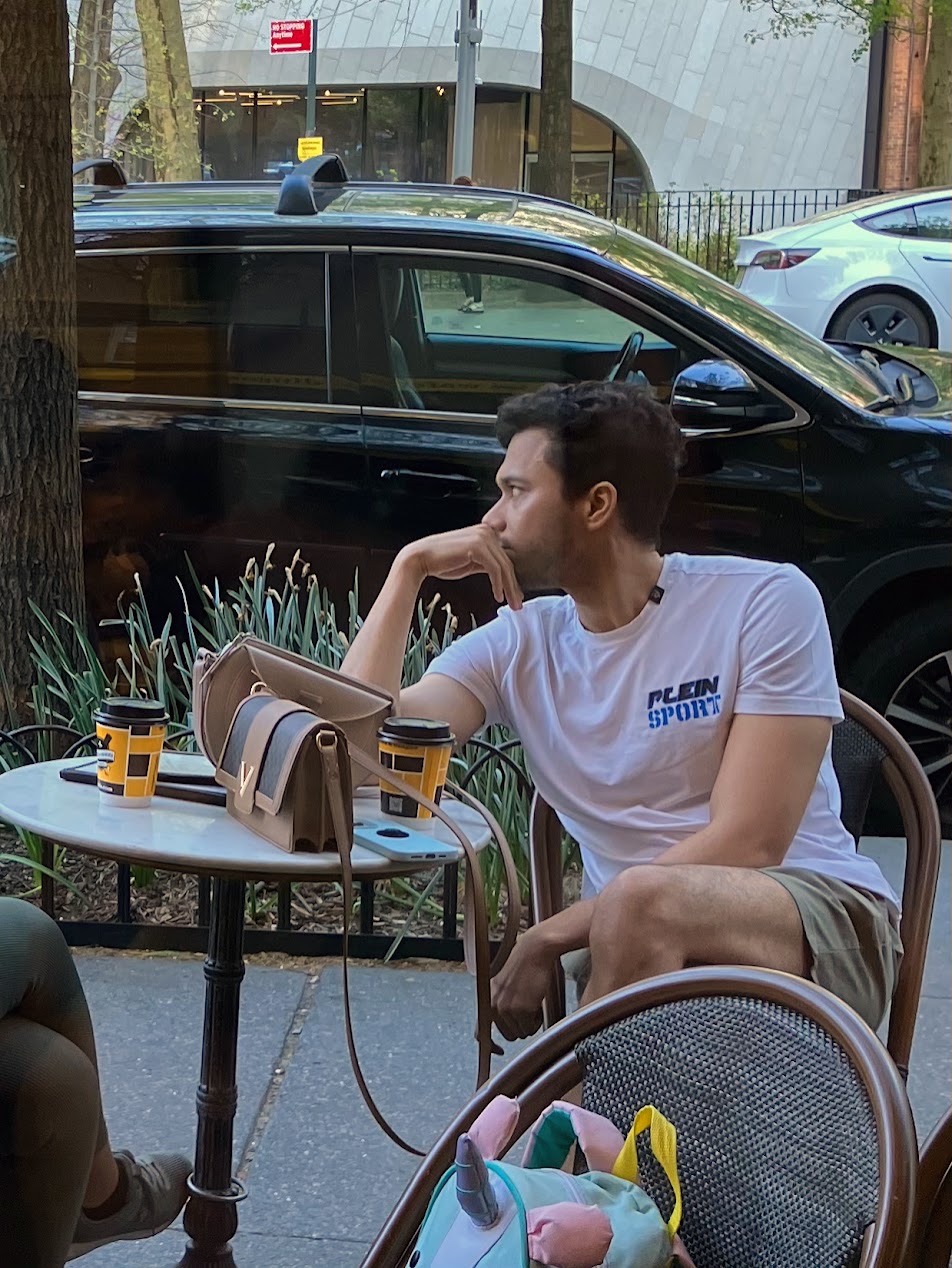
You’d think I get this guy to pose. He’s just this whimsical in real life. This was taken at the little Wafels and Dinges behind the Natural History Museum. I really miss those waffles. They completely changed my idea of waffles, they aren’t supposed to be just pancake batter in a funky shape!
Waffles were born in ancient Greece, and they were called obelios. Obelios were thin, savory wafers made between two irons, which usually had religious drawings cooked into them to be used for church services. With time, they became more common as street food, and the recipe was expanded from flour, water, milk, and eggs to include spices.
While obelios spread all throughout Europe, they stuck particularly strongly in the Netherlands and Belgium.
The Dutch stuck closer to the original recipe, creating Stroopwafels. They’re round, thin, and crunchy, usually served as a waffle sandwich with caramel in the middle. The Belgium strayed even more from the recipe, inventing Brussels and Liège waffles. Brussels waffles are fluffy and light, usually served with powdered sugar and fruits in it’s deep pockets. Liège waffles are dense, chewy, and sweet even by themselves, made with sugar that caramelizes while cooking to give the waffle a crust.
While biscuit like waffles had been brought to America by European immigrants, waffles from Belgium were introduced to Americans in the 1964 World’s Fair in New York. A version of Brussels waffles were sold as “Bel-Gem Waffles”, served with whipped cream and strawberries. The waffles were a hit, and the family sold on average 2,500 waffles a day. The recipe of those waffles is still a secret to this day.
Belgium waffles spread through America, and even though they haven’t murdered the sad American “waffle” yet, they’re everywhere! Today, Wafels and Dinges sell Liège waffels, and after doing all of this waffle research, I know that I’ve got to go to Liège to try some from the source!

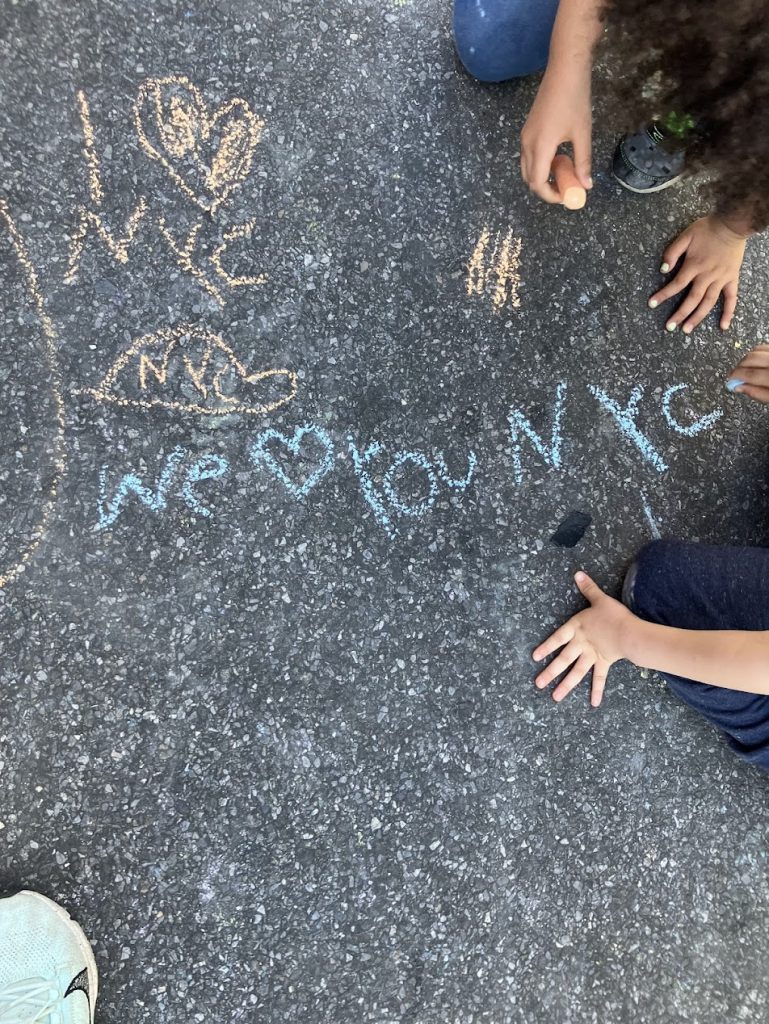
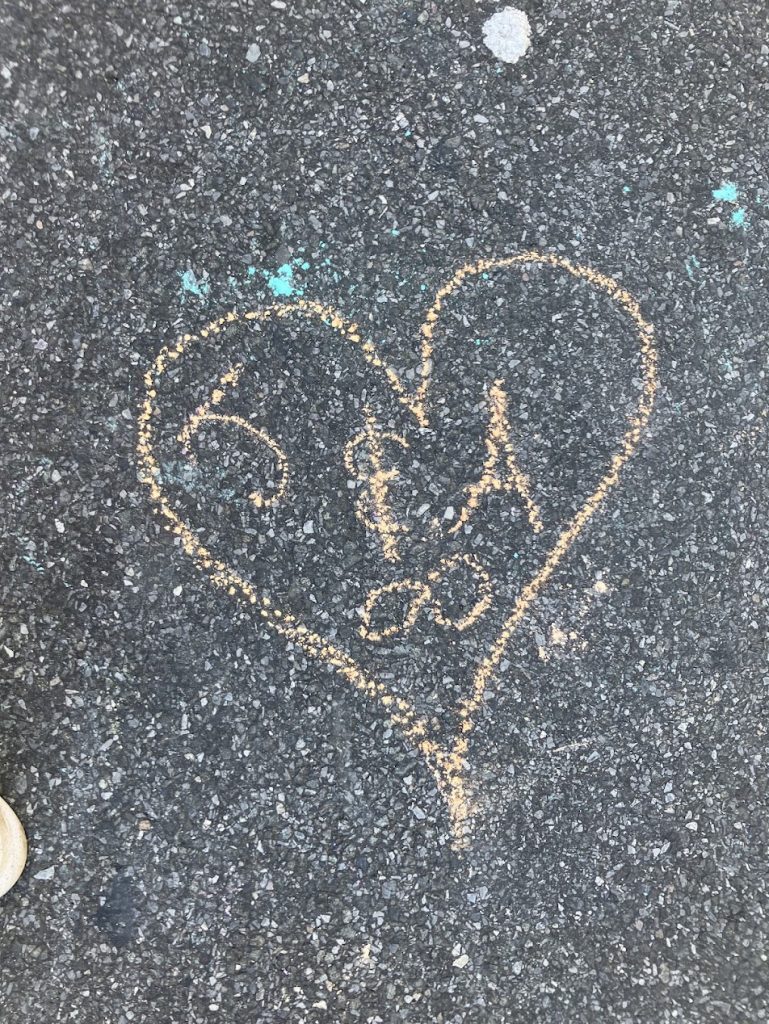
In New York City summertime, they close the streets once a week. The streets get covered in chalk drawings, games are put out for kids to play, and cafes can extend their seating out from the sidewalk. It’s like we’re getting extra space to use the energy that’s been cooped up all winter. Just the few days of open streets we get really makes a difference in the city’s mood.
And then the streets open again and they’re only used for cars. Bleh.
Whenever they do it makes me feel like they should leave the streets closed permanently; we make much better use of them than the cars do.